Sensations and regulation
Sensory characteristics in children
A noisy gym, clothing tag, smell, bright light, or certain food textures can feel very different from one child to another. Some also seek sensations or movement.
These experiences are real and deserve to be taken seriously without automatically attributing them to a single explanation.
Sensory characteristics
Sensory needs and ways of recovering are individual to each child.
Describe each sensory modality separately
Noise, light, touch, smells, taste, movement, and particular textures are different experiences. Grouping them under one word can obscure what would actually help the child.
Sensitivity may also vary with fatigue, hunger, the environment, the ability to move away, or the child's control over the situation.
Simple adjustments to try with the child
Reducing a source of noise, giving notice of a busy setting, planning a break, offering more comfortable clothing, or allowing recovery time may help. When able to express it, the child is often best placed to say what bothers or helps them.
An adjustment that does not help can be changed or dropped: there is no universal sensory solution.
Each sensory modality tells a different story
Cafeteria noise, flickering light, a clothing tag, food texture, a cleaning product's smell, or movement during travel do not have the same effects or solutions. A child may enjoy some sensations and avoid others. They may also tolerate them one day and find them very difficult the next, especially when tired or worried.
Rather than saying a child is ‘hypersensitive,’ it is often more useful to describe the stimulus, timing, intensity, setting, and response. This detail protects the child from generalizations and helps adults find a proportionate adjustment without attributing everything to one cause.
- Sound, light, touch, smells, tastes, movement, or pain.
- Length of exposure and the ability to move away.
- Visible signs and the child's own words, when available.
Avoiding and seeking sensations can coexist
A child may cover their ears in a noisy place, prefer certain clothes, seek movement, chew, handle a texture, or want to be wrapped in a blanket. These actions may help avoid discomfort, seek a pleasant sensation, maintain attention, or feel more settled. They may also reflect an ordinary preference or a temporary situation.
Avoidance and seeking can coexist. A young person may enjoy moving but struggle with crowds, or like firm pressure while avoiding unexpected light touch. Observation is therefore about understanding what supports participation without pain, fear, or unnecessary exhaustion, not placing the child in a category.
- Do not impose touch or exposure to ‘get them used to it’ without understanding their reaction.
- Ask the child's agreement before trying a sensory aid.
- Notice when a sensation is sought or avoided more strongly.
Overload, fatigue, and recovery: consider the buildup
A strong reaction does not always occur exactly when stimulation begins. After a day of classes, travel, conversations, noise, and transitions, a child may withdraw, become upset, cry, stop wanting to talk, or seek a quiet place. These signs may suggest a buildup, but they can also have other causes, such as sleep, hunger, frustration, or pain.
Recovery is individual. Some children need silence; others need movement, a meal, a familiar activity, quiet company, or time before answering questions about their day. Respecting this need does not mean avoiding all group life: sometimes it is what makes sustained participation possible.
- Notice early signals rather than waiting for a crisis.
- Provide an accessible, nonpunitive way to settle.
- Do not automatically interpret withdrawal as rejection of others.
Observe the context before adding more solutions
The same noise may be acceptable during a chosen activity and difficult when the child needs to work or wait. A texture may only bother them when wet, accompanied by a smell, or worn for a long time. Time of day, fatigue, choice, a reassuring adult, and past experiences often change the response. Recording these details helps avoid an overly general response.
Adults can also look for what does not cause difficulty. A child who tolerates headphones but not earplugs, likes soft lighting but not darkness, or prefers advance notice of touch rather than avoiding it offers valuable clues. These nuances make adjustments more respectful and limit unnecessary restrictions.
- Choose a specific situation to observe over a few days.
- Identify factors that increase or reduce discomfort.
- Ask the child what helps, even through very simple choices.
Try simple, reversible adjustments
A quieter place, advance notice of an expected noise, chosen clothing, a short break, a particular classroom seat, a meal with foods separated, or an object to handle may help depending on the situation. It is better to try one at a time, observe whether the child truly feels better, and remember that what helps one day may not be enough the next.
If the difficulty involves eating, sleep, pain, hearing, vision, or avoidance that greatly restricts everyday life, professional advice is preferable to experimenting alone. Adjustments should protect health and participation without making the child solely responsible for adapting to an unsuitable environment.
- Start with the environment before asking the child for additional effort.
- Plan a discreet solution that does not put them on display.
- Review what actually helps with the child and relevant adults.
Meals, care, and touch: respect the child's body
Meals, toothbrushing, haircuts, dressing, or some care procedures can be especially sensitive moments. Textures, smells, sounds, temperature, unexpected touch, and the length of the activity may all matter. A difficulty in one of these areas should not automatically be attributed to autism, but it deserves a respectful response when it affects health or participation.
Giving notice before a movement, allowing a product choice when possible, breaking a step into smaller parts, offering a different tool, or agreeing on a stop signal can sometimes help. These do not replace medical advice for pain, substantial eating difficulties, dental problems, weight loss, or sudden changes. Health comes first.
Respectful discussion of the child's body is essential. They may refuse touch, ask what will happen, or prefer one person over another for care. These preferences are not whims. They provide useful information for preparing necessary procedures while preserving safety and dignity.
- Give notice of care procedures and explain them in suitable words.
- Offer real choices when safety allows.
- Seek advice promptly if eating, pain, or hygiene becomes concerning.
Support group participation without unnecessary exposure
At school, in a club, or with family, noise, smells, or touch can make an activity very demanding even when the child wants to join in. Adjustments may involve choosing a seat, giving notice of a noisy event, allowing a break, adapting equipment, or offering a temporary alternative. They should not automatically exclude the child from every group activity.
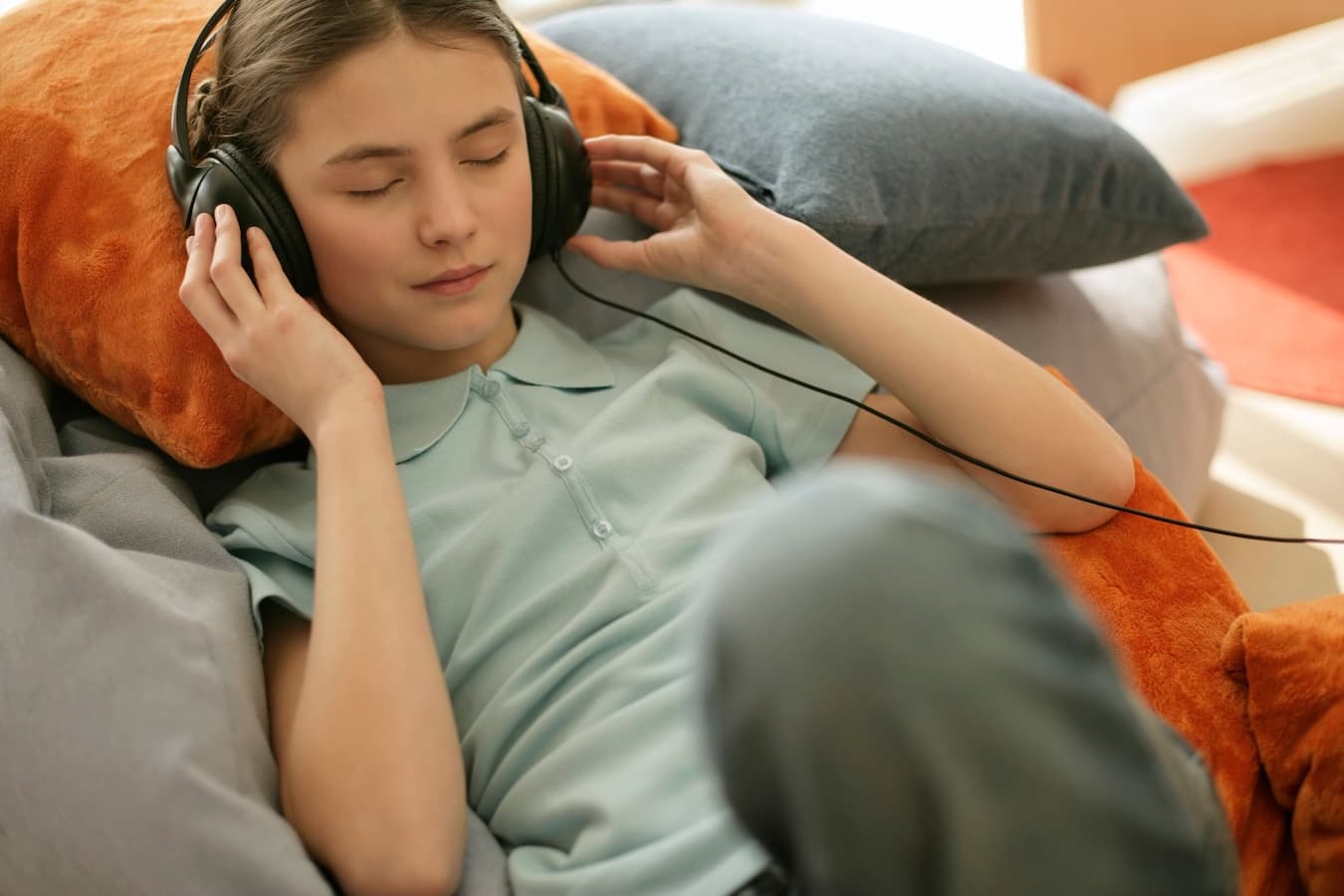
Discretion matters. Headphones, an object to handle, or a quieter seat may help if the child accepts them and they do not become an imposed marker in front of others. Some solutions that seem simple to adults can feel uncomfortable for an adolescent. Their perspective is therefore essential to understanding whether a solution is workable.
An environment does not need to be perfectly silent or controlled to become more accessible. A proportionate change, explained to those involved and reviewed with the child, may be enough. If the situation remains very limiting, the professionals supporting the child can help explore strategies suited to their needs and health.
- Look for ways to participate rather than automatically excluding the child.
- Favor discreet aids that the child agrees to use.
- Review the adjustment as the child grows or the setting changes.
Cereya Child Autism Test
A tool for describing situations without labeling the child
The Cereya questionnaire helps organize everyday observations from the past three months.
It neither confirms nor rules out ASD. It can support a conversation with the child, school, or a professional when that seems useful.
- a questionnaire completed with a parent or legal guardian
- room for the child's perspective, depending on their age
- observations organized by setting and area
- descriptive feedback, without a diagnosis
Initial summary included, with detailed analysis available afterward.
Sensory characteristics
Sensory needs and ways of recovering are individual to each child.
FAQ
Frequently Asked Questions
Do sensory differences mean a child is autistic?+
No. Sensitivities to noise, touch, or food occur in children with and without autism and can have many causes. They are not a sufficient indicator on their own.
How can we describe them?+
Concrete details are valuable: the sensation involved, setting, intensity, what the child does next, and what helps. This can be more useful than a broad label such as ‘hypersensitive.’
Does sensitivity to noise mean autism?+
No. Noise can be difficult for many children depending on the setting, fatigue, anxiety, hearing, a recent experience, or how the sound occurs. An isolated sensitivity does not establish autism, though it may still warrant practical adjustments.
Why describe sensations one by one?+
Noise, light, touch, smells, food, movement, and pain are not the same experience. Describing them separately preserves useful information and helps identify an adjustment suited to a specific situation.
What is sensory seeking?+
It means actively seeking certain sensations, such as movement, texture, pressure, or sound. It may be enjoyable, support regulation, or become more pronounced in certain settings. Its presence does not explain a child's overall profile on its own.
When should I seek advice?+
It is worth discussing when a sensation causes pain or persistently prevents eating, sleeping, washing, attending school, or joining desired activities. A sudden change or concerns about hearing, vision, pain, or food also warrant appropriate advice.
References and resources
This guidance is an educational synthesis of the recommendations and research cited below. It does not reproduce clinical criteria, tools, or protocols.
- Haute Autorité de Santé (2026) — Autism: new recommendations for infants, children, and adolescents.
- Haute Autorité de Santé (2026) — ASD: interventions and life pathways for infants, children, and adolescents.
- NICE CG128 — Autism spectrum disorder in under 19s: recognition, referral and diagnosis.
- Hyman, S. L., Levy, S. E. & Myers, S. M. (2020). Identification, Evaluation, and Management of Children With Autism Spectrum Disorder. Pediatrics, 145(1), e20193447. DOI: 10.1542/peds.2019-3447. PMID: 31843864.
- World Health Organization — ICD-11: autism spectrum disorder, classification framework.
- Ben-Sasson, A., Hen, L., Fluss, R., Cermak, S. A., Engel-Yeger, B. & Gal, E. (2009). A meta-analysis of sensory modulation symptoms in individuals with autism spectrum disorders. Journal of Autism and Developmental Disorders, 39(1), 1–11. DOI: 10.1007/s10803-008-0593-3. PMID: 18512135.