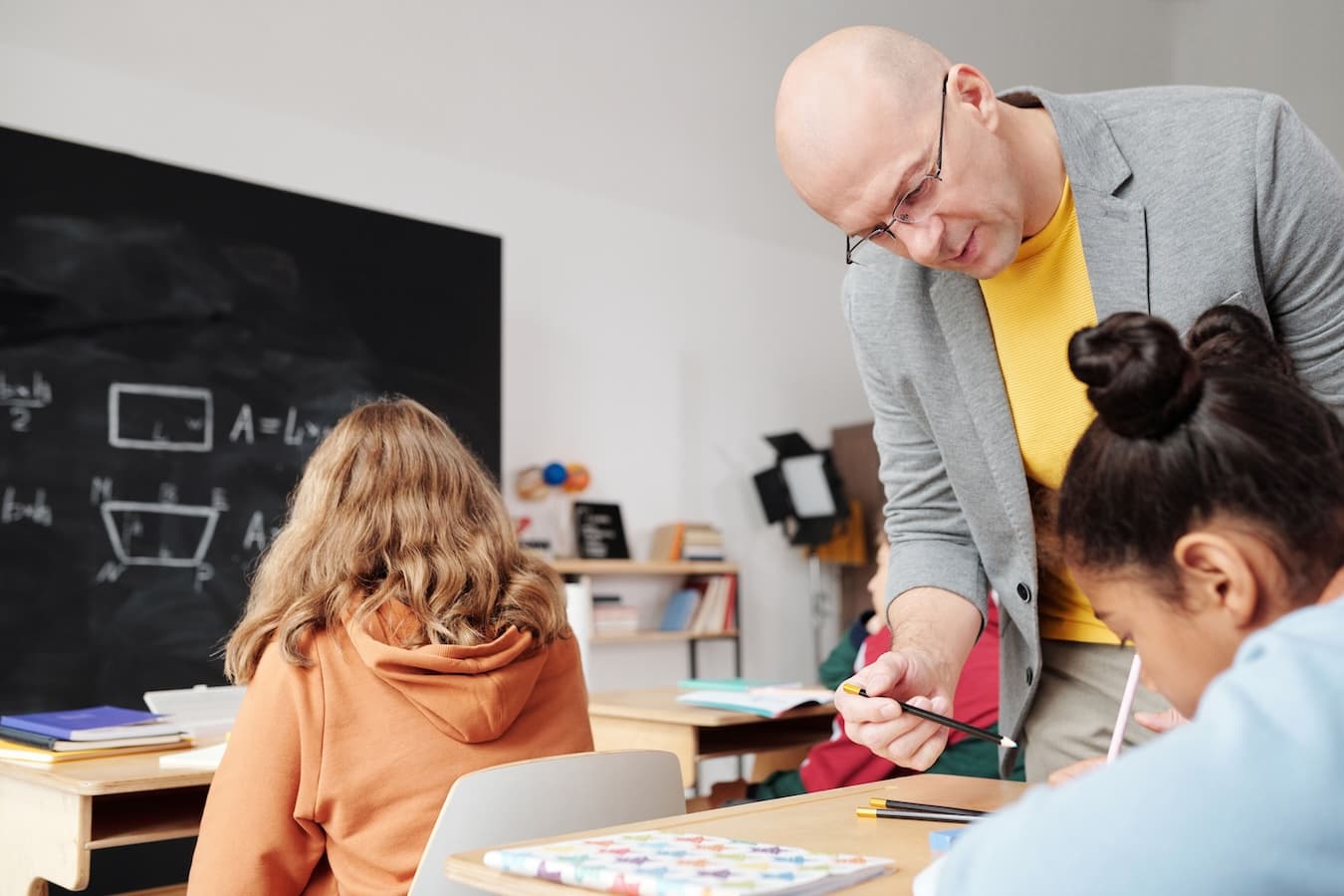
Observing with nuance
Situations that may warrant a closer look in children
Parents often first notice differences or difficulties in ordinary situations: an instruction to a group, a change of plans, recess, a noisy meal, or a conversation that goes off track.
These situations cannot, on their own, explain why the child reacts this way. They may still deserve to be described when they persist, recur, or affect daily life.
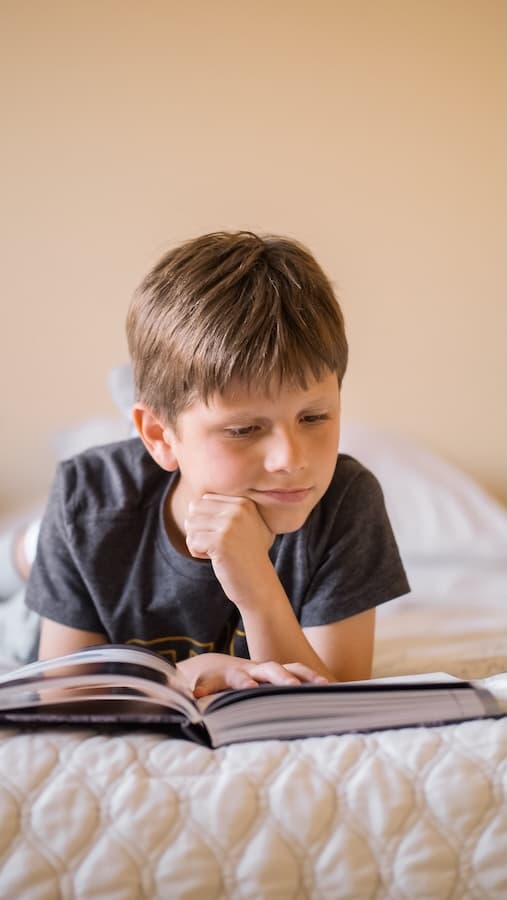
Observing with nuance
An isolated situation is not enough: observations are more useful when considered across several settings.
Social situations that may deserve a closer description
For example, a child may find it hard to recognize when a peer wants to change games, understand a joke, find a place in a group, or adjust a conversation. What matters is describing what actually happens, not interpreting the child's intention.
A very sociable child can also encounter some of these situations. Seeking relationships or enjoying being with others does not rule out difficulties in certain exchanges.
Predictability, repetition, interests, and sensations
An unexpected change, a transition, an interrupted activity, or an intense sensation can be difficult to experience. Repetitive movements, particular ways of playing, or an intensely pursued interest may also be observed.
Their meaning depends on their function, flexibility, context, and what they offer the child. They should not be judged or interpreted in isolation.
Protect existing strengths
An interest can be a source of enjoyment, skill, and connection.
Avoid shortcuts
An isolated sensitivity is not specific to ASD.
Start with a situation, not a label
A useful observation describes a small scene: “At the end of a game, when the others changed the rules, he walked away and would not come back” is easier to understand than “He cannot play with others.” It allows questions about what had been explained, who was there, what the child said or showed, and how the situation ended.
The same approach works for an instruction, a joke, a meal, a sound, or a transition. Describing facts does not prevent us from acknowledging a child's emotions; it helps us explore with the child and the adults involved what made the situation difficult or what might have made it easier.
- The setting and the people present.
- What happens beforehand and what changes the situation.
- The visible reaction and the support that did or did not help.
Games, conversations, and unspoken meanings: consider actual opportunities
For younger children, joining a shared game, taking turns, accepting a new rule, or asking for help can provide useful observations. With older children, we can also observe peer conversations, shared projects, indirect messages, jokes, or reactions after a misunderstanding. Each situation still depends on the opportunities available and the group's dynamics.
A child may prefer to play alone at times, have few friends and be entirely happy, or want relationships without knowing how to join an established group. Solitude, withdrawal, an argument, or relationships with adults rather than peers should not be interpreted without considering the child's choices, possible bullying, temperament, and relationship history.
- Did the child have a real opportunity to participate?
- Does the difficulty arise mainly in groups, with unspoken rules, or in new situations?
- What changes when an adult structures the activity?
Changes, interests, and sensations: look for the function before the sign
A child may often ask what is planned, repeat a question, focus on a subject for a long time, or avoid a noisy place. Understanding these situations means considering their possible function: enjoyment, preparing for a step, seeking precision, fatigue, regulation, learning, or real discomfort. One of these features alone is not enough to form a broad hypothesis.
Sensory characteristics are more useful when noted individually. Cafeteria noise, a clothing tag, the smell of a product, and the movement of an amusement ride do not involve the same systems or solutions. A reaction after a busy day may also have a different explanation from a sensitivity present at the start of the day.
- Clarify whether the situation is chosen, avoided, or imposed.
- Identify the role of preparation, sleep, and fatigue.
- Preserve interests and adjustments that help the child feel good.
What makes an observation more or less significant
A situation deserves more attention when it recurs over time, appears across several settings, or prevents the child from doing things they want or need to do. Its impact may involve relationships, schooling, meals, rest, travel, independence, or self-esteem. Not everything needs to be difficult for a family to seek advice.
Conversely, a rare situation, one limited to a particular event, or one resolved through a simple adjustment may mainly call for continued observation. Careful interpretation also means naming what is unknown: no opportunity for group activities, a school that has not been informed, a child who does not wish to discuss it, a recent family change, or an unfamiliar activity.
- How long has the situation been noticed?
- In which places or at what times is it most apparent?
- What concrete impact does it have on the child and those around them?
Plusieurs explications peuvent coexister
Difficulty following an exchange may relate to attention, language, anxiety, hearing that needs checking, an experience of rejection, or an unfamiliar social rule. Refusing an activity may follow significant fatigue, pain, fear, a learning disorder, or difficulty anticipating expectations. These categories do not always exclude each other: difficulties can co-occur.
When observations raise concerns, a primary care doctor or pediatrician can be a first point of contact. Bringing a few situations, school feedback if available, difficulties, and strengths can help guide the conversation. The process can begin before you have found the right word or a definitive explanation.
- Do not insist on finding a single explanation.
- Ask what deserves to be explored first.
- Protect the child's daily life and dignity throughout the process.
Who can observe what, and when?
A parent cannot see all of their child's social or school life, and the school cannot see everything that happens at home. Before looking for a sign, it can help to identify who actually has access to the situation. A lack of feedback about recess does not mean everything is going well or badly: it may simply mean no one has been able to observe it closely.
The child's perspective adds to this information when they can and wish to share it. A short answer, a drawing, or choosing between two examples may sometimes be more accessible than a very broad question. They may also not know, change their mind, or prefer not to answer. These limits are compatible with attentive, respectful observation.
When several adults share concerns, it is better to gather examples separately before bringing them together. This helps prevent a possibility from becoming a shared expectation that influences what everyone thinks they see. Agreement and disagreement across settings are often informative when described precisely.
- Identify the best observer for each situation.
- Preserve the child's voice without making them solely responsible for explaining.
- Distinguish missing information from an absence of observed behavior.
Take notes without turning daily life into surveillance
Observation can help, but every meal, game, or conversation should not become a test to analyze. A few brief notes after a memorable situation are generally enough: approximate date, context, reaction, and support tried. They may be useful if a conversation with the school or a professional becomes necessary.
It is important to keep enjoying ordinary, pleasant moments without using them as evidence. Favorite activities, achievements, and positive relationships also tell us about a child's needs. They can reduce the risk that adults notice only what concerns them.
If taking notes increases the family's or young person's anxiety, it is better to simplify them or seek advice. The goal is to clarify a question, not produce a perfect file. A respectful approach should leave the child room for spontaneity and the family time to rest.
- Choose a short period and a specific question.
- Also note what helped and what is going well.
- Stop an observation process that adds more burden than clarity.
Cereya Child Autism Test
A tool for describing situations without labeling the child
The Cereya questionnaire helps organize everyday observations from the past three months.
It neither confirms nor rules out ASD. It can support a conversation with the child, school, or a professional when that seems useful.
- a questionnaire completed with a parent or legal guardian
- room for the child's perspective, depending on their age
- observations organized by setting and area
- descriptive feedback, without a diagnosis
Initial summary included, with detailed analysis available afterward.
Observing with nuance
An isolated situation is not enough: observations are more useful when considered across several settings.
FAQ
Frequently Asked Questions
Is one particular behavior enough to suggest ASD?+
No. An isolated sign can have many explanations. Repeated situations, their presence in different settings, and their impact may justify discussing them.
How can I prepare my observations?+
It can help to note concrete examples: where it happens, what comes before it, what helps, and what makes the situation difficult. This description is more useful than a list of keywords.
Should we wait until situations happen everywhere?+
No. Some situations do not occur in every setting, and environments can provide considerable support. It is still useful to identify whether comparable difficulties recur in several situations or whether the same setting regularly takes a toll on the child.
Why note duration and repetition?+
An occasional reaction after a poor night's sleep, a conflict, or a major change is not understood in the same way as an established difficulty. Noting how long a situation has existed, how often it recurs, and what changes it helps interpret it more carefully.
Are strong emotional reactions specific to ASD?+
No. They may relate to fatigue, anxiety, frustration, a relationship event, pain, language difficulties, or many other factors. With an emotional situation, the first step is to understand what came before it and what helped.
When should I seek advice sooner?+
Advice may be useful without delay when a child is distressed, puts themselves at risk, can no longer take part in important activities, experiences bullying or regression, or when the family feels overwhelmed. In immediate danger or acute distress, contact the appropriate emergency services.
References and resources
This guidance is an educational synthesis of the recommendations and research cited below. It does not reproduce clinical criteria, tools, or protocols.
- Haute Autorité de Santé (2026) — Autism: new recommendations for infants, children, and adolescents.
- Haute Autorité de Santé (2026) — ASD: interventions and life pathways for infants, children, and adolescents.
- NICE CG128 — Autism spectrum disorder in under 19s: recognition, referral and diagnosis.
- Hyman, S. L., Levy, S. E. & Myers, S. M. (2020). Identification, Evaluation, and Management of Children With Autism Spectrum Disorder. Pediatrics, 145(1), e20193447. DOI: 10.1542/peds.2019-3447. PMID: 31843864.
- World Health Organization — ICD-11: autism spectrum disorder, classification framework.